Mastering Herb Butter: Simple Recipes & Storage Tips
Elevating your culinary creations doesn't always require complex techniques or exotic ingredients. Sometimes, the secret lies in a simple, yet incredibly flavorful addition:
herb butter. Also known as compound butter, this versatile condiment is a true game-changer, capable of transforming everyday dishes into gourmet experiences with minimal effort. Imagine a sizzling steak melting under a savory pat of garlic and rosemary butter, or warm crusty bread infused with the fresh zest of lemon and chive butter. Mastering herb butter means unlocking a world of flavor potential right in your own kitchen.
What is Herb Butter (Compound Butter)?
At its core, herb butter is simply softened butter that has been thoroughly mixed with fresh or dried herbs and often other complementary seasonings. It’s a classic culinary technique that falls under the umbrella of "compound butter," which refers to any butter flavored with additional ingredients. The beauty of herb butter lies in its simplicity and the dramatic impact it has on food. By blending aromatic herbs directly into the butter, you create a powerhouse of flavor that melts beautifully, infusing its essence directly into whatever it accompanies.
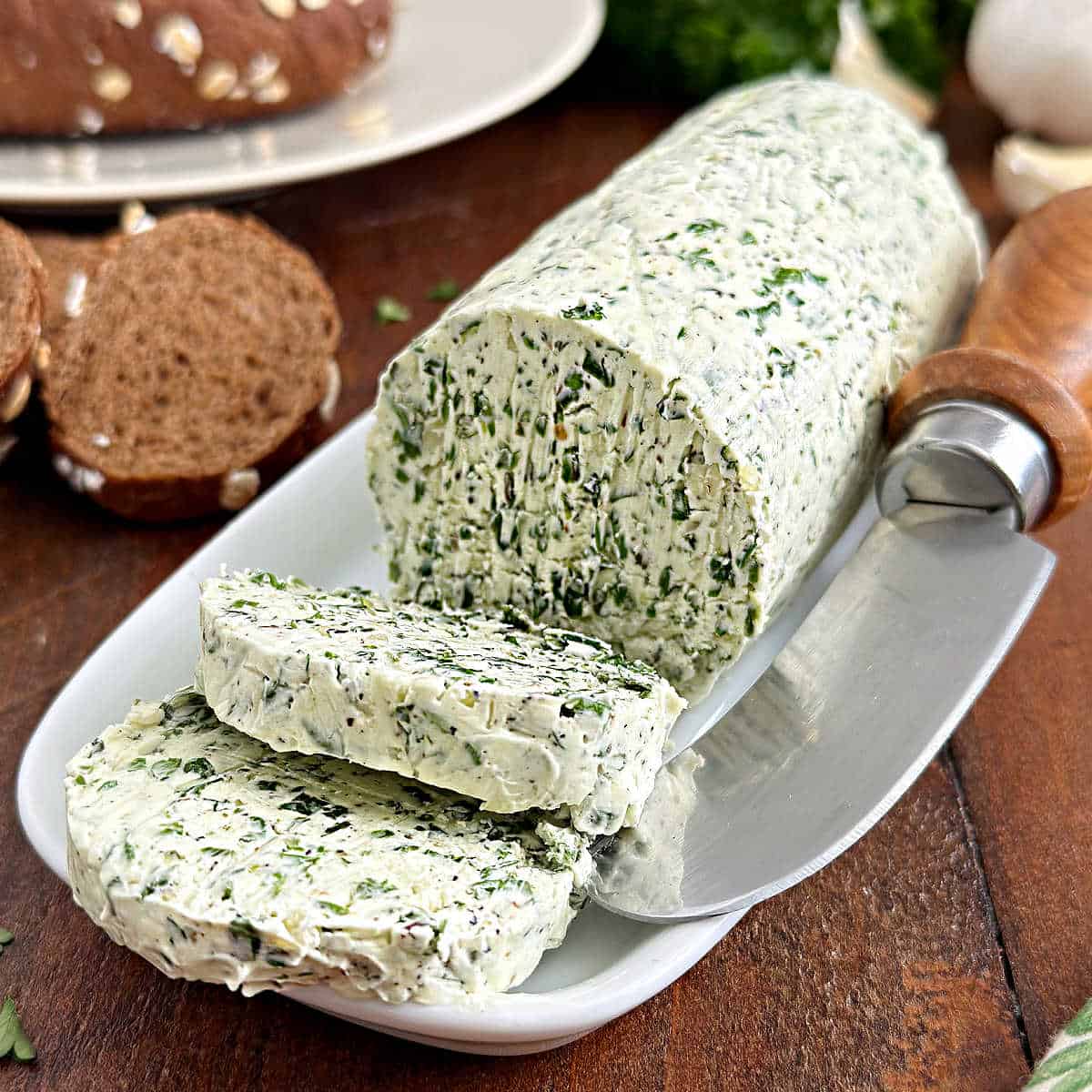
The process of making herb butter not only preserves the vibrant flavors of the herbs but also creates a convenient, ready-to-use condiment. It's typically formed into a log, chilled until firm, and then sliced into elegant pats for serving. This method makes it incredibly easy to portion out just the right amount, ensuring every dish gets a perfect burst of herbaceous goodness. For a deeper dive into its many applications, explore
What is Compound Butter & How to Use It for Flavor.
Why You Should Master Herb Butter: Benefits & Versatility
The allure of homemade herb butter extends far beyond its delicious taste. It’s a culinary "trick" that offers immense benefits to any home cook:
- Instant Flavor Elevation: A single dollop of herb butter can instantly transform bland foods into something spectacular. It adds richness, depth, and a burst of fresh flavor without needing complex sauces or marinades.
- Incredible Versatility: The possibilities are truly endless. Herb butter shines on almost any savory dish. Think of it melting over:
- Grilled Meats: Steaks, chicken, lamb chops, or pork tenderloin.
- Seafood: Baked salmon, pan-seared scallops, grilled shrimp.
- Vegetables: Corn on the cob, roasted asparagus, steamed green beans, mashed potatoes.
- Breads: Garlic bread, crusty baguettes, dinner rolls.
- Eggs: Scrambled eggs or omelets for an extra layer of flavor.
- Pasta: Tossed with freshly cooked pasta for a simple yet satisfying meal.
- Customization at Your Fingertips: You are the artist! Any combination of fresh or dried herbs, spices, citrus zests, garlic, shallots, or even cheeses can be blended to create a unique flavor profile perfectly suited to your meal or personal preference.
- Easy to Make & Impressive to Serve: Despite its gourmet appeal, making your own herb butter is surprisingly straightforward. It’s a fantastic way to impress diners with minimal effort, especially when offered as an assortment on a buffet table or as a thoughtful homemade gift.
- Reduces Waste: Have an abundance of fresh herbs from your garden or grocery store? Turning them into herb butter is an excellent way to preserve their freshness and flavor before they wilt.
Crafting Your Own Herb Butter: The Simple Steps
Making fresh herb butter at home is a rewarding experience. It's a fundamental skill that unlocks a world of flavor.
Essential Ingredients & Tools
To begin your herb butter journey, gather these key components:
- Butter: Start with a good quality butter. Whether to use unsalted or salted butter depends on your preference and the dish. For most uses, unsalted butter gives you better control over the final salt content. If you're planning herb butter for steak, a touch of extra salt (or using salted butter) can be beneficial to enhance the meat's flavors.
- Herbs: Both fresh and dried herbs work wonderfully.
- Fresh Herbs: Provide a brighter, more vibrant flavor. Always rinse them thoroughly and allow them to air dry completely for several hours before chopping. For larger leaf herbs like basil, consider using the "chiffonade" method – stack the leaves, roll them tightly, then slice across the roll to create fine ribbons.
- Dried Herbs: Are more concentrated, so use about one-third of the amount you would for fresh. Rehydrate them slightly by mixing with a teaspoon of olive oil or lemon juice before adding to the butter for better flavor distribution.
- Optional Flavorings: Don't limit yourself to just herbs! Consider finely minced garlic, lemon or orange zest, black pepper, chili flakes, finely chopped shallots, a pinch of smoked paprika, or even a dash of hot sauce.
- Tools: A mixing bowl, a sturdy spoon or spatula, and wax paper or parchment paper for forming logs. Butter molds are optional but create beautiful individual pats.
Step-by-Step Preparation Guide
Follow these basic steps to create your delicious homemade herb butter:
- Soften the Butter: This is crucial. The butter needs to be soft enough to easily stir and thoroughly incorporate the other ingredients, but not melted. Let it sit at room temperature for several hours, or carefully soften it in the microwave on a very low power setting (e.g., 10%) for short bursts until it reaches the desired consistency.
- Prepare Your Herbs and Flavorings: Wash and thoroughly dry fresh herbs. Finely chop them. If using garlic, mince it very finely. Zest citrus fruits. Ensure all your add-ins are ready before mixing.
- Combine Ingredients: In a mixing bowl, add the softened butter, chopped herbs, and any other chosen flavorings. Using your spoon or spatula, mix everything together thoroughly until the herbs and seasonings are evenly distributed throughout the butter. Taste and adjust seasonings as needed – this is your chance to perfect the flavor!
- Form the Butter:
- Log Method: Spoon the butter mixture onto a sheet of wax paper or parchment paper. Using the paper, roll the butter into a tight log, about 1-1.5 inches in diameter. Twist the ends of the paper to seal.
- Molding Method: Press the butter mixture into silicone butter molds or small decorative candy molds.
- Chill: Place the formed butter logs or molds into the refrigerator for at least 1-2 hours, or until completely firm. Once firm, the logs can be unwrapped and sliced into neat pats for serving.
For even more detailed instructions and ideas on crafting your own, check out
Easy Homemade Herb Butter: Transform Your Meals.
Creative Herb Butter Recipe Ideas
While the basic method is simple, the real fun begins when you start experimenting with flavor combinations. Here are a few popular and inventive herb butter ideas:
Classic Garlic & Herb Butter
This is arguably the most popular compound butter.
- Ingredients: 1 cup softened unsalted butter, 4-5 cloves minced garlic, 1/4 cup chopped fresh parsley, 2 tbsp chopped fresh chives, 1 tsp lemon zest, a pinch of salt and black pepper.
- Ideal Uses: Garlic bread, baked potatoes, grilled chicken, finishing pan-seared steak, tossed with roasted vegetables.
Mediterranean Sunshine Butter
A vibrant and aromatic blend perfect for summer dishes.
- Ingredients: 1 cup softened unsalted butter, 2 tbsp chopped fresh oregano, 2 tbsp chopped fresh thyme, 1 tbsp chopped fresh rosemary, 2 tbsp finely chopped sun-dried tomatoes (oil-packed, drained), 1 tsp red wine vinegar, salt and pepper to taste.
- Ideal Uses: Grilled lamb chops, roasted Mediterranean vegetables (zucchini, bell peppers, eggplant), spreading on crusty focaccia, mixing into couscous.
Spicy Chili-Lime Cilantro Butter
Bring a zesty, spicy kick to your Mexican or Asian-inspired meals.
- Ingredients: 1 cup softened unsalted butter, 1/2 cup chopped fresh cilantro, 1-2 tbsp minced jalapeño (seeds removed for less heat), 2 tsp lime zest, 1 tbsp lime juice, 1/2 tsp ground cumin, pinch of salt.
- Ideal Uses: Fish tacos, grilled corn on the cob, shrimp skewers, chicken fajitas, spreading on warm tortillas.
Sage & Rosemary Butter for Poultry and Pork
A robust and earthy blend that pairs beautifully with heavier meats.
- Ingredients: 1 cup softened unsalted butter, 3 tbsp chopped fresh sage, 2 tbsp chopped fresh rosemary, 1/2 tsp black pepper, a pinch of sea salt.
- Ideal Uses: Roasting turkey or chicken (rub under the skin!), pan-seared pork tenderloin, tossed with gnocchi or butternut squash ravioli.
Storage & Freezing Tips for Maximum Freshness
One of the best advantages of making your own herb butter is the ability to prepare it in advance and store it for future use. Proper storage ensures your homemade goodness stays fresh and flavorful.
Refrigeration
Freshly made herb butter can be stored in the refrigerator for several days.
- Method: If you've rolled it into a log with wax paper, keep it wrapped tightly. For molded pats or butter scooped into a bowl, transfer it to an airtight container. This prevents it from absorbing other odors in the fridge and maintains its freshness.
- Duration: Typically, it will stay fresh for about 3-5 days. Always check for any off-odors or discoloration before using if it's been in the fridge for a while.
Freezing for Long-Term Enjoyment
For longer storage, freezing is an excellent option. Herb butter freezes beautifully, allowing you to have a stock of flavorful butter ready whenever inspiration strikes.
- Method for Logs: Keep your herb butter log tightly wrapped in wax paper, then place it inside a freezer-safe plastic zipper-top bag or wrap it again in aluminum foil. This double layer of protection prevents freezer burn.
- Method for Molded Pats: Place the individual molded butter pats on a flat surface (like a baking sheet lined with parchment paper) in the freezer until they are solid. Once frozen firm, transfer the individual pats into a freezer-safe bag or container. This prevents them from sticking together.
- Duration: Frozen herb butter can be stored for up to two months without significant loss of quality.
- Thawing: When you're ready to use frozen herb butter, it's best to allow it to thaw in the refrigerator for a few hours before using. This helps it regain its creamy texture, making it easier to spread or melt evenly.
Conclusion
Mastering herb butter is a small effort with enormous culinary rewards. It’s an accessible way to inject vibrant flavors, richness, and a touch of gourmet elegance into countless dishes. From simple weeknight meals to impressive dinner parties, the versatility of homemade herb butter makes it an invaluable addition to any cook's repertoire. So, go ahead – soften that butter, gather your favorite herbs, and start experimenting. You'll be amazed at how this simple trick can transform your everyday cooking into something truly extraordinary.