What is Compound Butter? Your Secret Weapon for Flavorful Cooking
Imagine transforming an ordinary meal into an extraordinary culinary experience with a single, simple ingredient. That's the magic of compound butter, often affectionately known as herb butter. Far more than just a spread, this versatile and elegant concoction is a chef's secret weapon, capable of infusing incredible depth and aroma into virtually any dish. From humble toast to a perfectly seared steak, understanding what compound butter is and how to use it will undoubtedly elevate your cooking to new heights.
If you're looking to effortlessly enhance flavors, impress your guests, or simply add a gourmet touch to everyday meals, dipping into the world of compound butters is a fantastic place to start. It’s an easy and fun culinary trick to master, promising big flavor payoffs for minimal effort. For more in-depth recipes and creative ideas, check out Easy Homemade Herb Butter: Transform Your Meals.
Defining Compound Butter: More Than Just Butter
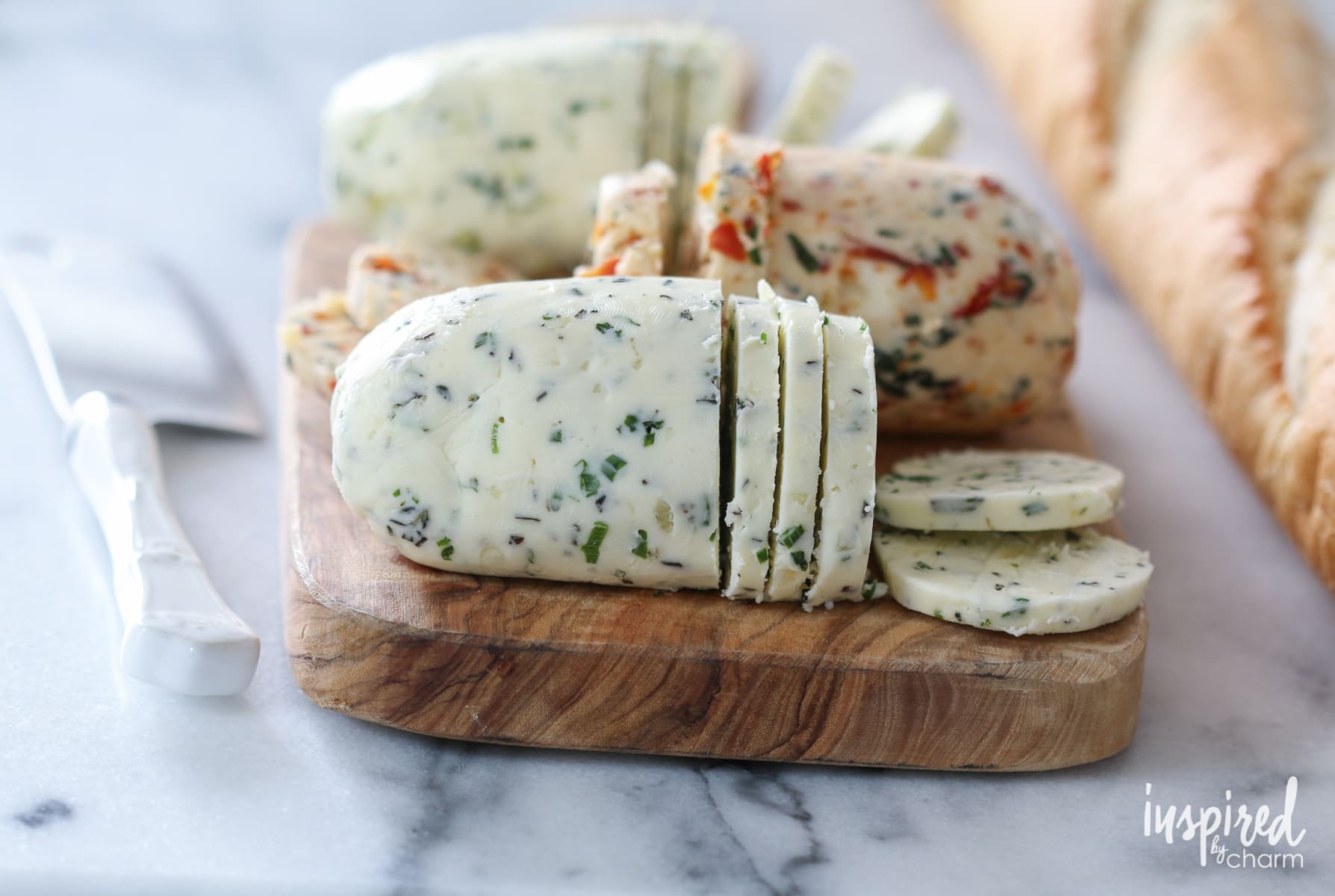
At its core, compound butter is simply butter that has been softened and then thoroughly mixed with various flavorings. While the most popular form, herb butter, incorporates fresh or dried herbs, the possibilities extend far beyond. Think garlic, citrus zest, spices, minced shallots, sun-dried tomatoes, or even a hint of cheese. Once flavored, this mixture is typically re-formed into a log, chilled until firm, and then sliced into elegant pats for serving or cooking.
The beauty of compound butter lies in its ability to deliver concentrated flavor directly where it's needed. As the butter melts, it releases the aromatic essences of its blended ingredients, bathing your food in a rich, savory, or even sweet infusion. It acts as both a condiment and a cooking medium, enhancing the natural taste of other foods and adding a luxurious finish.
Crafting Your Own Herb Butter: A Step-by-Step Guide
Making homemade herb butter is remarkably straightforward, offering endless opportunities for customization. With a few basic steps and quality ingredients, you can create bespoke flavor bombs for any occasion.
1. Start with Quality Butter
- Unsalted vs. Salted: Both can be used, but unsalted butter offers greater control over the final sodium content, allowing you to season more precisely to your dish. For applications like a steak butter where a salty kick is desired, you might start with salted butter or add a pinch of salt to unsalted butter.
- Brand Matters: Opt for a good quality, fresh butter. The butter is the base, so its flavor will shine through.
2. Achieve the Perfect Consistency
The key to seamlessly blending your chosen flavors is starting with properly softened butter. It should be pliable enough to stir easily but not melted or greasy.
- Room Temperature: The ideal method is to let your butter sit at room temperature for several hours until soft.
- Microwave Method: If you're short on time, gently soften butter in the microwave on a very low power setting (e.g., 10%) or use a dedicated "soften" function. Be careful not to melt it completely.
3. Select and Prepare Your Flavorings
This is where your creativity comes into play! While the term "herb butter" suggests herbs, feel free to experiment with a wider range of ingredients.
- Herbs: Both fresh and dried herbs work wonderfully. Fresh herbs generally offer brighter, more vibrant flavors. If using fresh, rinse them thoroughly and allow them to air dry completely for several hours before chopping. Excess moisture can shorten the butter's shelf life.
- Chopping Technique (Chiffonade): For larger leaf herbs like basil, a chiffonade technique is excellent. Stack the leaves, roll them tightly into a cylinder, then slice across the roll to create fine, ribbon-like strands. This ensures even distribution and a pleasant texture.
- Beyond Herbs: Consider minced garlic, lemon zest (for brightness), black pepper, a pinch of cayenne, smoked paprika, finely chopped shallots, or even a dash of soy sauce or Worcestershire for umami.
4. Mix, Form, and Chill
Once your butter is soft and your flavorings are prepped, the rest is simple:
- Combine: In a bowl, thoroughly mix the softened butter with your chosen herbs and other ingredients using a spoon or spatula. Ensure everything is evenly incorporated.
- Form:
- Logs: Spoon the mixture onto a piece of wax paper or parchment paper. Shape it into a log using the paper to help roll and tighten it. Twist the ends to seal.
- Molds: For individual portions or decorative shapes, press the butter into silicone molds (e.g., mini muffin tins, decorative candy molds).
- Bowls: For immediate use as a spread, simply place it in a shallow serving bowl.
- Chill: Place the formed butter in the refrigerator for at least 1-2 hours, or until firm. Once firm, you can slice the log into elegant pats.
Unleashing the Flavor: Creative Uses for Compound Butter
The true power of herb butter lies in its incredible versatility. A simple dollop can instantly elevate the flavor profile of countless dishes.
1. Elevate Meats and Poultry
- Steaks & Chops: Place a pat of garlic-herb butter directly on a hot, freshly grilled or pan-seared steak, pork chop, or lamb chop. As it melts, it creates an instant, luxurious pan sauce.
- Roasts: Rub rosemary or thyme herb butter under the skin of a chicken or turkey before roasting, or spread it over a beef roast.
- Grilling: Brush herbed butter onto grilled chicken or vegetables during the last few minutes of cooking for extra moisture and flavor.
2. Enhance Seafood
- Fish: A pat of dill or lemon-dill herb butter melts beautifully over baked, grilled, or pan-fried salmon, cod, or tilapia.
- Shrimp & Scallops: Toss freshly cooked shrimp or seared scallops with a vibrant citrus-garlic butter for a burst of flavor.
3. Transform Vegetables
- Corn on the Cob: The classic pairing! Slather sweet corn with a rich chive or cilantro-lime herb butter.
- Roasted Vegetables: Toss potatoes, carrots, asparagus, or broccoli with softened herb butter before roasting, or add a pat after cooking.
- Mashed Potatoes: Stir a generous spoonful of garlic or chive herb butter into warm mashed potatoes for an extra creamy, flavorful side.
- Steamed Greens: A simple pat over steamed green beans or spinach adds instant richness.
4. Upgrade Breads and Grains
- Garlic Bread: Homemade garlic bread is a breeze with garlic-parsley herb butter. Spread it on sliced baguette and toast.
- Dinner Rolls: Offer an assortment of flavored butters (e.g., honey-cinnamon, savory herb) with warm dinner rolls or crusty bread.
- Toast & Sandwiches: Use it as a gourmet spread for toast or in grilled cheese sandwiches.
- Pasta & Rice: Stir a tablespoon of your favorite herb butter into hot pasta, risotto, or rice pilaf for an instant flavor boost.
5. Finishing Touches
- Eggs: Whisk a small amount into scrambled eggs, or melt a pat in the pan before frying an egg.
- Soups & Sauces: Swirl a knob of compound butter into a finished soup or sauce just before serving to add richness and depth (a technique known as monter au beurre).
Storing Your Homemade Herb Butter: Keeping it Fresh
One of the great advantages of making herb butter is its excellent shelf life, allowing you to prepare it in advance and have it ready whenever inspiration strikes.
Refrigeration
Your homemade herb butter can be stored in the refrigerator for several days, typically up to 1-2 weeks, depending on the freshness of your ingredients. To ensure maximum freshness:
- Sealed Container: If molded or placed in a bowl, store it in an airtight container to prevent it from absorbing other odors and to maintain its freshness.
- Wrapped Logs: If rolled into logs on wax paper, you can place the entire wrapped log into a plastic zipper-top bag or another sealed container for extra protection.
Freezing for Extended Storage
For longer-term storage, herb butter freezes beautifully, extending its shelf life for up to two months, sometimes even longer.
- Logs: Keep the butter logs tightly wrapped in wax paper and then place them in a freezer-safe bag or container.
- Molded Pats: If you've used molds, place the individual frozen pats in a freezer-safe bag once they are solid. This makes it easy to grab just one or two at a time.
- Thawing: Always allow frozen herb butter to thaw in the refrigerator before using for best results, especially if you need it to be soft for spreading or mixing.
- Label and Date: Always label your frozen compound butters with the type of butter and the date it was made so you know what you have and when to use it by.
For more detailed recipes and comprehensive storage strategies, be sure to read Mastering Herb Butter: Simple Recipes & Storage Tips.
Conclusion
Compound butter, or herb butter, is a truly transformative ingredient that deserves a permanent spot in every home cook's repertoire. Its ease of preparation, combined with its unparalleled ability to inject rich, aromatic flavor into an astonishing array of dishes, makes it an invaluable culinary asset. Whether you're melting a pat over a perfectly cooked steak, spreading it on warm bread, or enriching a simple plate of vegetables, the magic of flavored butter is undeniable. So, embrace the simplicity and versatility of this humble yet powerful ingredient, and start experimenting with your own flavor combinations today. Your taste buds, and your guests, will thank you!
